I am looking forward to Sunday, when we will worship the Lord together again. Our Old Testament scripture will be about Noah and his family preparing to enter the ark with all their other furry, flying, and funky arkmates (Genesis 7:6-16). In our gospel lesson, we will read about a servant of the king who was forgiven an exorbitant amount of debt by the king but then proved unable to forgive others who owed him a minimal amount of debt (Matthew 18:21-35). It seems to me that we can learn timely lessons from both these stories about how to make our living space on this planet, or in this church, or in our own families and communities, habitable, resilient, and hopeful. The unfaithful servant got it wrong and landed in prison. Noah, his family, and all the animals got it right and gave life on this planet a promising future. May we also get it right, in our time.
See you Sunday!
See you Sunday!
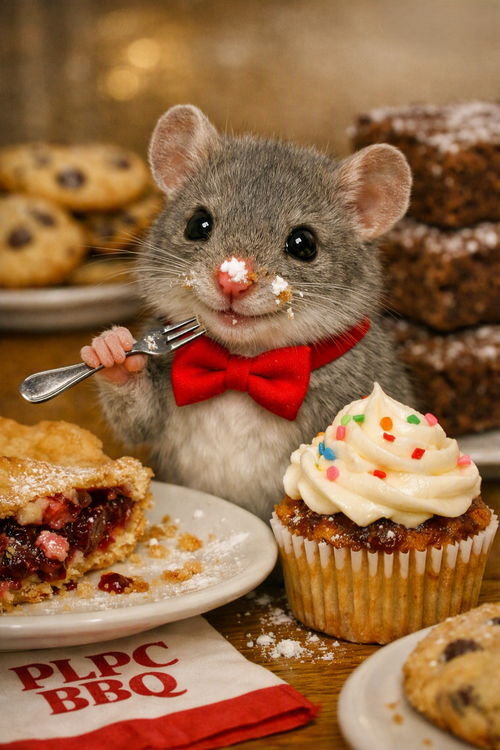
Percy’s Post‑BBQ Report: “The Feast Heard ’Round the Fellowship Hall!”
Mercy me and pass the napkins — I’ve just survived the most glorious, sauce‑splattered, toe‑tapping event of the year! The Annual Labor Day Bar‑B‑Que was so magnificent I nearly fainted into the potato salad (which, by the way, vanished faster than a mouse at a cat convention).
The crowd was massive! I spotted the Blaustones, Tozers, Laurie Watts, Dwyers, Leslie Madalinski, Armstrongs, Hortons, Turks, Hutchinsons, Glennys, Tyler Owens and the girls, Thywill Amenya, and Jennie Harper — all laughing, eating, and pretending not to see me scurrying around doing “quality control.”
The grill masters were legends in smoke and sauce: the Nocks, the Binns, Kevin Laterza, Boone Hutchinson, and Seth Sadler. And let me tell you — Boone handled those ribs with such dramatic flair that I briefly mistook him for a culinary angel descending from the kitchen pass‑through window, bathed in holy BBQ light. I nearly dropped my cornbread.
Then came the Music City Dixieland Band — oh, the music! Trumpets blaring, trombones sliding, and me squeaking along in perfect (ish) harmony. I danced so hard my whiskers curled.
Desserts? Don’t get me started. Pies, cakes, brownies, cookies — a sugary wonderland! I may have blacked out briefly in a pile of crumbs. When I came to, the potato salad and coleslaw were gone, and I was wearing a frosting mustache.
And if you missed it — fear not! There’s still BBQ left for sale: pulled pork and ribs, $20 for 2 pounds, and they freeze beautifully. See Jon Loudermilk in the kitchen after worship to claim your share before I do.
Now, if you’ll excuse me, I’m off to the choir robe closet to sleep off my food coma. I’ll be dreaming of ribs, jazz, and the sweet sound of laughter echoing through the fellowship hall.
The crowd was massive! I spotted the Blaustones, Tozers, Laurie Watts, Dwyers, Leslie Madalinski, Armstrongs, Hortons, Turks, Hutchinsons, Glennys, Tyler Owens and the girls, Thywill Amenya, and Jennie Harper — all laughing, eating, and pretending not to see me scurrying around doing “quality control.”
The grill masters were legends in smoke and sauce: the Nocks, the Binns, Kevin Laterza, Boone Hutchinson, and Seth Sadler. And let me tell you — Boone handled those ribs with such dramatic flair that I briefly mistook him for a culinary angel descending from the kitchen pass‑through window, bathed in holy BBQ light. I nearly dropped my cornbread.
Then came the Music City Dixieland Band — oh, the music! Trumpets blaring, trombones sliding, and me squeaking along in perfect (ish) harmony. I danced so hard my whiskers curled.
Desserts? Don’t get me started. Pies, cakes, brownies, cookies — a sugary wonderland! I may have blacked out briefly in a pile of crumbs. When I came to, the potato salad and coleslaw were gone, and I was wearing a frosting mustache.
And if you missed it — fear not! There’s still BBQ left for sale: pulled pork and ribs, $20 for 2 pounds, and they freeze beautifully. See Jon Loudermilk in the kitchen after worship to claim your share before I do.
Now, if you’ll excuse me, I’m off to the choir robe closet to sleep off my food coma. I’ll be dreaming of ribs, jazz, and the sweet sound of laughter echoing through the fellowship hall.

Challenges we face
by Dave Nock
As I have written several times in the past, I teach Homeland Security (The Introduction of...) to undergrads in the Criminal Justice Department at MTSU. One of the many points I address during the semester is the threats this nation confronts. There are external threats we face from around the world, some of which are political, economic, environmental, diplomatic and militarily. Then we have the internal or domestic challenges we confront daily. These range from race, social, civil issues, extremism, political positions (opinions) and evolving threats stemming from the cyber world and the internet. One of these threats is Christian Nationalism.
As a matter of practice, I do not like political and governmental topics coming from the pulpit. I am not the pulpit and am sharing Presbyterian news as I understand it. This topic is important and addresses a strong position stated by the Presbyterian General Assembly. Backing up a bit… About a year ago I attended a Middle Tennessee Presbytery meeting and began discussing homeland security with several Presbytery Pastors. Somehow the subject of Christian nationalism came up. It was very evident that the topic, and the overall national trend bothered them and had an overall negative impact on the nation and religion in general.
The 227th Presbyterian Church (U.S.A.) General Assembly (2026) acted on topic of Christian Nationalism, and it was unusually direct and sweeping. The Assembly declared White Christian nationalism a “theological error” and incompatible with the teachings of Jesus Christ and moved to add this language to the Book of Order pending presbytery approval.
Christian Nationalism is incompatible with the gospel. Commissioners overwhelmingly approved a constitutional amendment stating: “The church rejects any ideology that seeks to establish Christianity as a privileged or dominant force through the power of the state, or that conflates religious identity with national, racial, or ethnic supremacy.” Such ideologies are “incompatible with the example and teachings of Jesus Christ,” constitute “a theological error,” and “undermine the church’s faithful witness.”
This language will be added to the Book of Order if ratified by a majority of presbyteries by mid-2027.
Why This Matters. This is one of the strongest statements the PC(USA) has ever made on the relationship between faith and political identity. It:
I am proud of the action the Presbyterian General Assembly took and proud to say I am Presbyterian.
As a matter of practice, I do not like political and governmental topics coming from the pulpit. I am not the pulpit and am sharing Presbyterian news as I understand it. This topic is important and addresses a strong position stated by the Presbyterian General Assembly. Backing up a bit… About a year ago I attended a Middle Tennessee Presbytery meeting and began discussing homeland security with several Presbytery Pastors. Somehow the subject of Christian nationalism came up. It was very evident that the topic, and the overall national trend bothered them and had an overall negative impact on the nation and religion in general.
The 227th Presbyterian Church (U.S.A.) General Assembly (2026) acted on topic of Christian Nationalism, and it was unusually direct and sweeping. The Assembly declared White Christian nationalism a “theological error” and incompatible with the teachings of Jesus Christ and moved to add this language to the Book of Order pending presbytery approval.
Christian Nationalism is incompatible with the gospel. Commissioners overwhelmingly approved a constitutional amendment stating: “The church rejects any ideology that seeks to establish Christianity as a privileged or dominant force through the power of the state, or that conflates religious identity with national, racial, or ethnic supremacy.” Such ideologies are “incompatible with the example and teachings of Jesus Christ,” constitute “a theological error,” and “undermine the church’s faithful witness.”
This language will be added to the Book of Order if ratified by a majority of presbyteries by mid-2027.
Why This Matters. This is one of the strongest statements the PC(USA) has ever made on the relationship between faith and political identity. It:
- Clarifies that Christian identity cannot be fused with national or racial supremacy
- Reasserts the Reformed commitment to justice, peace, mercy, and human dignity
- Signals a denominational priority to confront political ideologies that distort Christian theology
- Refused to commemorate Presbyterians’ role in the American Revolution
- The Assembly declined a proposed celebration, noting that such commemoration risked elevating nationalism over gospel witness.
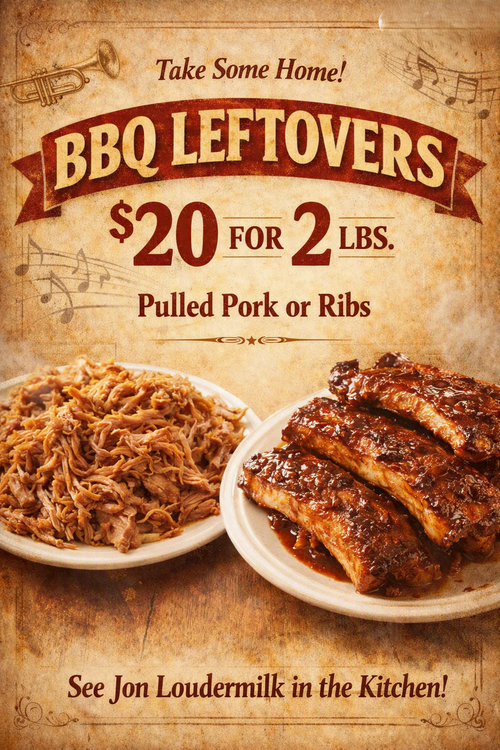
If you missed out on the Labor Day Bar‑B‑Que (or just want more of the good stuff), we still have pulled pork and ribs available. Each portion is $20 for 2 pounds, and it freezes wonderfully for an easy meal later.
Stop by the kitchen after worship on Sunday and see Jon Loudermilk to pick up your package. Once they’re gone, they’re gone!
Stop by the kitchen after worship on Sunday and see Jon Loudermilk to pick up your package. Once they’re gone, they’re gone!
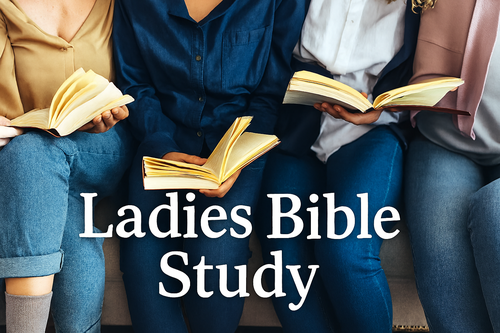
Join us as we begin a new season of study
John Ortberg’s
Everybody’s Normal Till You Get to Know Them —
starting Wednesday, September 16.
chapters 1 & 2 - pages 13 - 43
Every woman is welcome to join us as we begin a new season of study together. We meet on the first and third Wednesday evenings.
The side door by the ramp opens at 5:15 PM, and those first few minutes are filled with warm greetings and catching up. At 5:30, we enter a quieter space as we share our confidential prayer requests — words held only within the group and later summarized in an email to those present so we can remember one another in prayer.
By 6:00, we turn to our new book Everybody's Normal Till You Get to Know Them, opening its pages together with curiosity and grace. It’s a time for honest conversation — insights, questions, surprises, and even disagreements — and you’re welcome whether or not you’ve read ahead.
We end at 6:45 with a group prayer, lifting up the needs shared and the wisdom we’ve gained.
The side door by the ramp opens at 5:15 PM, and those first few minutes are filled with warm greetings and catching up. At 5:30, we enter a quieter space as we share our confidential prayer requests — words held only within the group and later summarized in an email to those present so we can remember one another in prayer.
By 6:00, we turn to our new book Everybody's Normal Till You Get to Know Them, opening its pages together with curiosity and grace. It’s a time for honest conversation — insights, questions, surprises, and even disagreements — and you’re welcome whether or not you’ve read ahead.
We end at 6:45 with a group prayer, lifting up the needs shared and the wisdom we’ve gained.

Saturday
September 26
9:00am
All men of the church
are invited

Come to the Table Lunches are back!
Tuesday October 13 ~ 11:30
We’ve missed gathering around good food and great conversation — and now it’s time to pull up a chair again! Come to the Table returns on Tuesday, October 13, bringing back the warmth, laughter, and fellowship we’ve all been craving. We will have Chili/Soup, Cornbread and of course, Dessert!
Sign up in the narthex or simply click below to reserve your spot. Bring your appetite and your stories — there’s always room at the table!
Sign up in the narthex or simply click below to reserve your spot. Bring your appetite and your stories — there’s always room at the table!